Poison Ivy Removal in Lancaster County, PA
Poison ivy removal services focus on safely eliminating this common plant that can cause skin irritation and allergic reactions. These services typically cover residential properties, including yards, gardens, and wooded areas, where poison ivy may be growing among other vegetation. Property owners often seek removal to prevent contact hazards for children, pets, or outdoor visitors, as well as to restore the visual appeal of their landscape. Before requesting removal, it’s helpful to understand the extent of the growth, the location of the plants, and whether there are any nearby sensitive plants or structures that require special attention.
Proper removal involves carefully extracting poison ivy plants, including roots, to prevent regrowth and reduce the risk of skin irritation. Homeowners may want to inquire about the methods used, the safety precautions taken during removal, and whether follow-up treatments are recommended for persistent or extensive growth. Clear communication about the scope of the project and any specific concerns can help ensure the process is effective and safe for the property and its occupants.
Many property owners in Lancaster County, PA look into Poison Ivy Removal for repairs, replacements, upgrades, and appearance-related improvements.
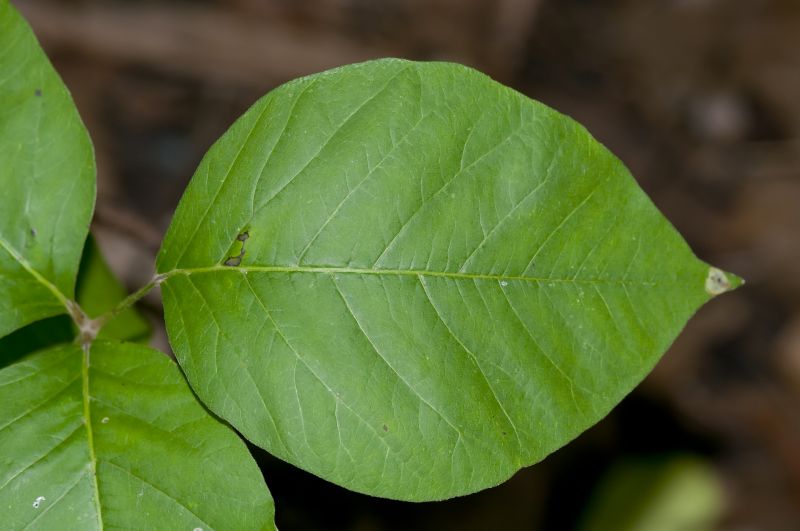
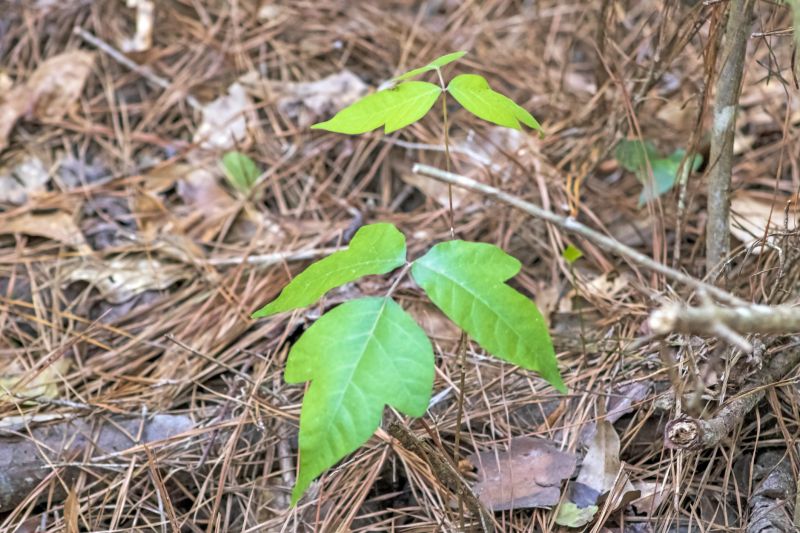
Identifying Poison Ivy
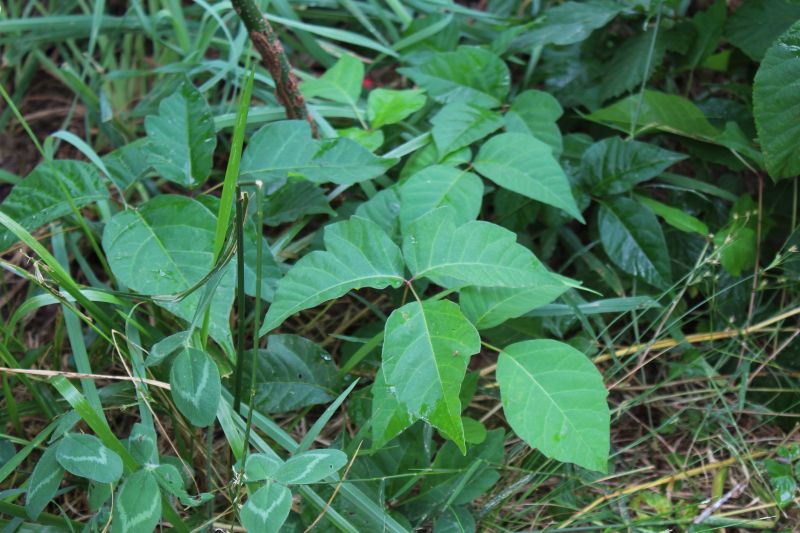
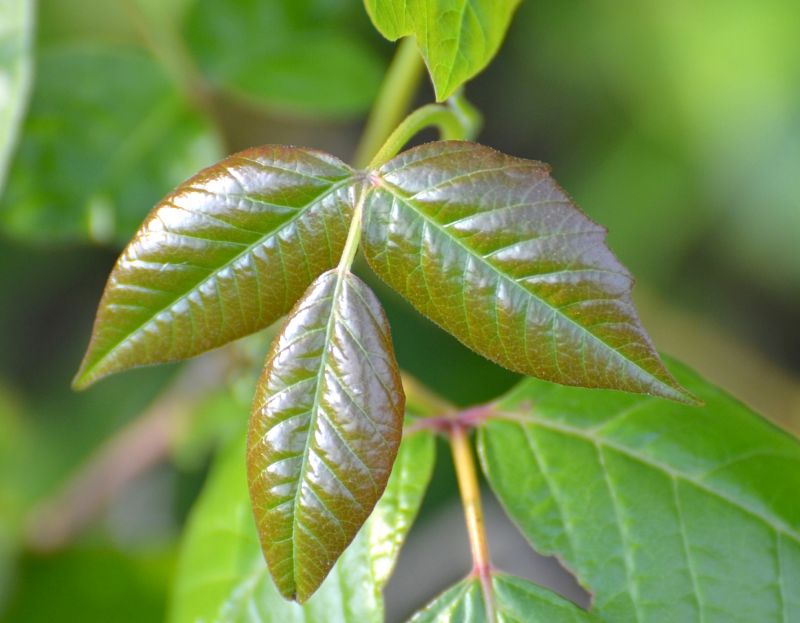
Recognizing poison ivy growth on residential or commercial properties in lancaster county helps prevent skin irritation and plant spread.
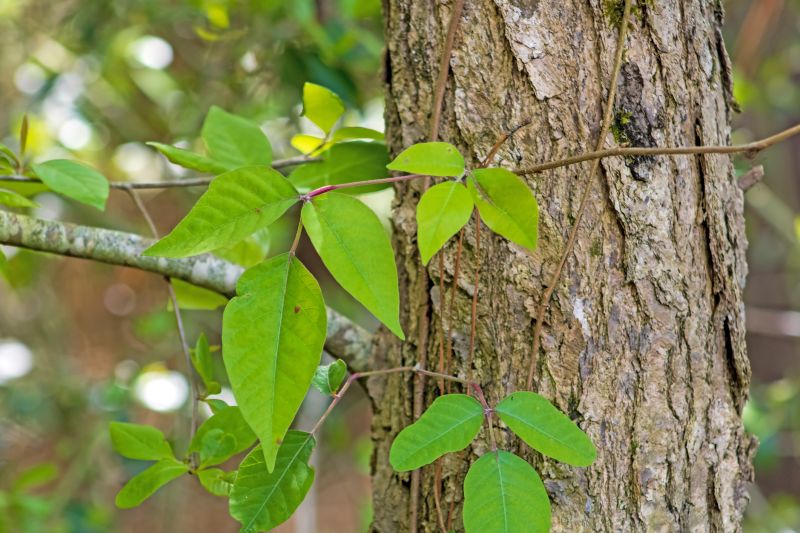
Safe Removal Methods
Professional poison ivy removal ensures safe and effective clearing from yards, fences, and wooded areas around lancaster county homes.
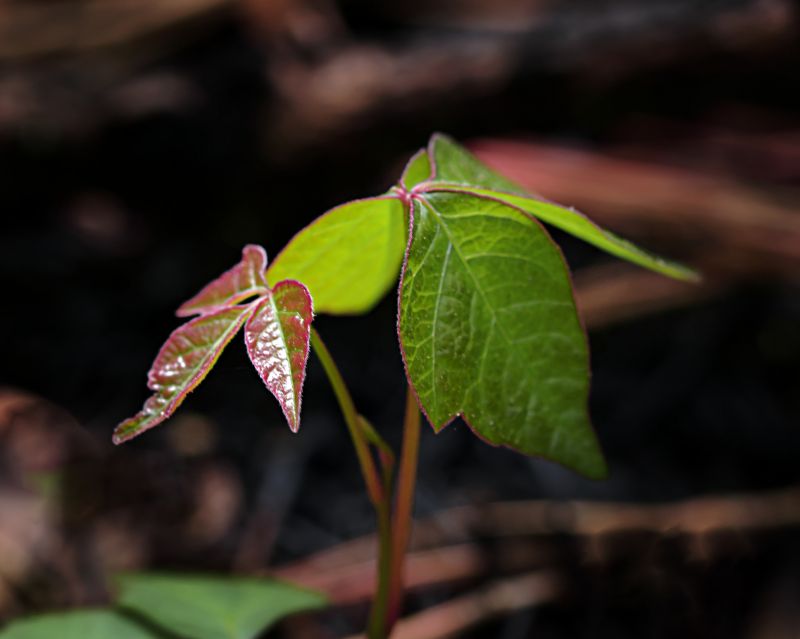
Property Maintenance Tips
Proper management of plant growth around structures reduces the risk of contact and keeps outdoor spaces safe for families and pets.
Poison Ivy Removal in Lancaster County, PA
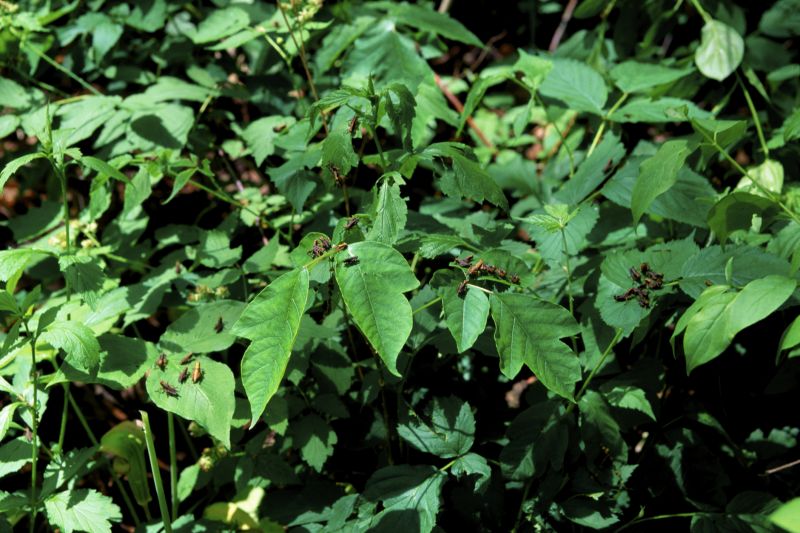
Poison ivy removal services focus on safely eliminating this common plant that can cause skin irritation and allergic reactions. These services typically cover residential properties, including yards, gardens, and wooded areas, where poison ivy may be growing among other vegetation. Property owners often seek removal to prevent contact hazards for children, pets, or outdoor visitors, as well as to restore the visual appeal of their landscape. Before requesting removal, it’s helpful to understand the extent of the growth, the location of the plants, and whether there are any nearby sensitive plants or structures that require special attention.
Proper removal involves carefully extracting poison ivy plants, including roots, to prevent regrowth and reduce the risk of skin irritation. Homeowners may want to inquire about the methods used, the safety precautions taken during removal, and whether follow-up treatments are recommended for persistent or extensive growth. Clear communication about the scope of the project and any specific concerns can help ensure the process is effective and safe for the property and its occupants.
Many property owners in Lancaster County, PA look into Poison Ivy Removal for repairs, replacements, upgrades, and appearance-related improvements.
Common Poison Ivy Removal Jobs
Poison Ivy Removal - safely eliminates invasive plants from residential and commercial properties.
Yard Clearing - removes poison ivy from lawns, gardens, and landscape beds.
Tree and Shrub Treatment - targets poison ivy growing on or near trees and shrubs.
Property Inspection - identifies areas where poison ivy is present or spreading.
Vegetation Management - controls and prevents future growth of poison ivy in landscaped areas.
Site Cleanup - ensures removal of plant debris and roots for a clean, safe yard.
Poison Ivy Removal Questions
What is poison ivy removal? Poison ivy removal involves safely eliminating the plant from a property to prevent skin irritation and other health risks.
When should poison ivy be removed? Removal is recommended when poison ivy is growing in high-traffic areas or near children and pets to reduce exposure.
What methods are used for poison ivy removal? Methods include manual pulling, cutting, and applying specialized herbicides to effectively eliminate the plant.
Is professional removal necessary? Professional removal ensures safe and thorough elimination, especially in hard-to-reach or extensive growth areas.
Request Poison Ivy Removal in Lancaster County, PA
Use the quote form on this page to share the basics of your project and request more information for the type of work you need.