Get Poison Sumac Removal in Harford County, MD
Local contractors in Harford County, MD, can safely remove Poison Sumac from yards, woods, or properties to prevent skin irritation and eliminate the plant from invasive growth.
Poison sumac can pose serious health risks to property owners in Harford County, MD, especially for those planning landscaping projects, outdoor renovations, or simply looking to maintain a safe yard. Recognizing and removing this hazardous plant is an important step in ensuring a safe environment for family, pets, and visitors. Property owners who are considering clearing overgrown areas, restoring natural spaces, or preparing land for new projects may find it beneficial to explore local contractors experienced in poison sumac removal.
Comparing options among nearby service providers can help property owners find the right approach for their specific needs. Experienced local contractors understand the unique landscape of Harford County and can provide practical solutions for safely and effectively managing poison sumac. Continuing to explore available services can help ensure that the work is handled properly, contributing to a healthier and safer outdoor space.
- Poison Sumac Removal - needed when poison sumac plants pose a risk to families during outdoor activities in residential yards.
- Poison Sumac Removal - required when invasive plants threaten landscape health and safety in neighborhoods around Harford County, MD.
- Poison Sumac Removal - sought after when poison sumac is spreading into wooded areas or along property boundaries.
- Poison Sumac Removal - necessary when allergic reactions occur after contact with poison sumac plants in outdoor spaces.
- Poison Sumac Removal - requested when property owners want to eliminate hazardous plants before they cause further growth or exposure.
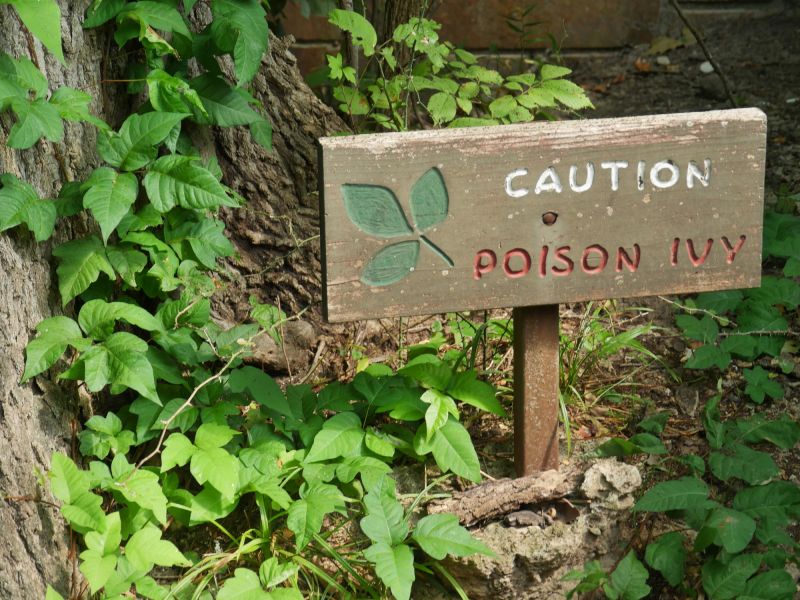
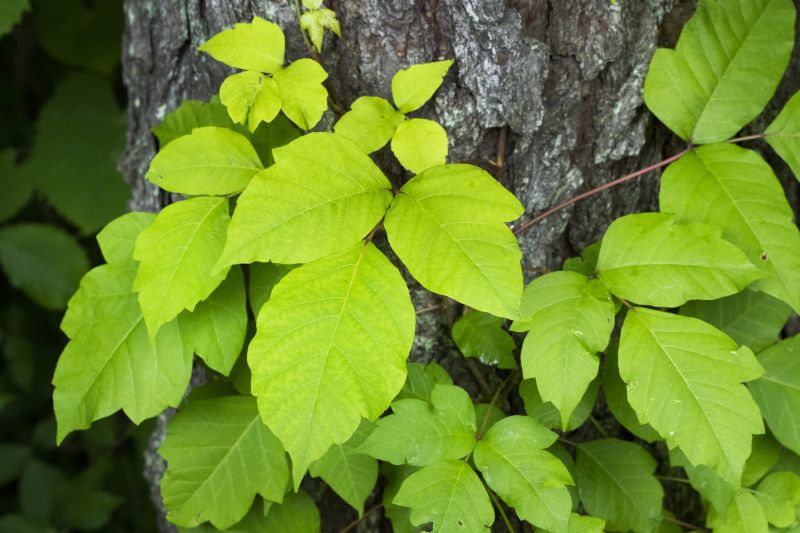
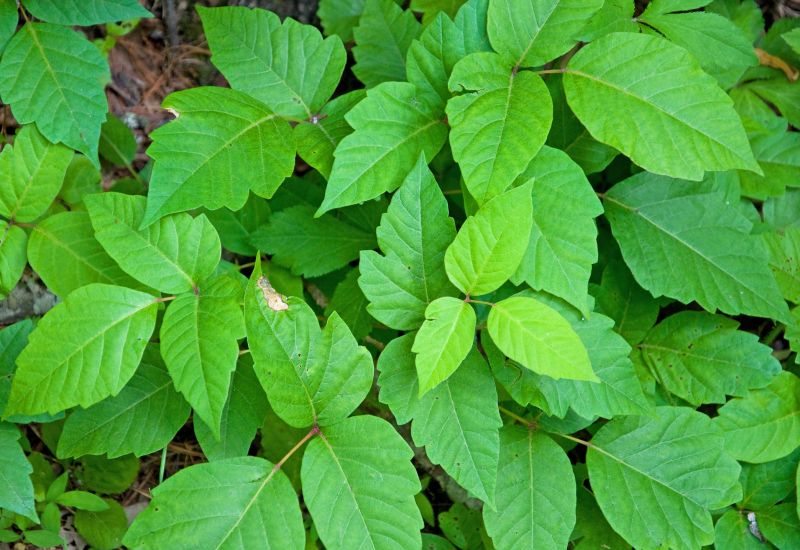
Poison sumac removal services involve the careful identification and eradication of this toxic plant from residential and commercial properties. Trained service providers typically assess the affected areas to confirm the presence of poison sumac, which often grows in wetlands, wooded areas, or along the edges of yards. Once identified, they employ specialized techniques to safely remove the plants, ensuring that the toxic oils are contained and properly disposed of. This process helps prevent the spread of the plant and reduces the risk of exposure to anyone on the property.
Poison sumac can cause significant skin irritation, allergic reactions, and discomfort for those who come into contact with it. Removing this plant helps solve problems related to skin rashes, itching, and swelling that often result from accidental contact. Additionally, eliminating poison sumac can prevent the plant from spreading further into landscaped areas, protecting family members, pets, and visitors from potential health hazards. Property owners who notice the plant growing on their land or in hard-to-reach areas are encouraged to seek professional removal services to address these concerns safely.
These removal services are commonly used on a variety of properties, including single-family homes, farms, and recreational land. Properties with wooded lots, wetlands, or overgrown areas are particularly susceptible to poison sumac growth. Commercial properties such as parks, golf courses, and outdoor event spaces may also require professional removal to maintain safety and compliance with local regulations. In general, any property owner who detects the presence of poison sumac and wants to eliminate it efficiently and safely can benefit from the assistance of experienced service providers.
Engaging local contractors for poison sumac removal offers a practical solution for maintaining a safe outdoor environment. Professional removal ensures that the plant is handled with appropriate caution, reducing the risk of accidental exposure or spreading. Whether dealing with a small patch or an extensive area of growth, property owners can find experienced service providers who specialize in safe and effective removal methods. Contacting local pros helps ensure the job is done thoroughly, allowing property owners to enjoy their outdoor spaces without concern about the dangers posed by poison sumac.
The overview below groups typical Poison Sumac Removal projects into broad ranges so you can see how smaller, mid-sized, and larger jobs often compare in Harford County, MD.
In many markets, a large share of routine jobs stays in the lower and middle ranges, while only a smaller percentage of projects moves into the highest bands when the work is more complex or site conditions are harder than average.
Minor Poison Sumac Removal - Typical costs range from $250-$600 for smaller, routine jobs such as clearing a few affected shrubs. Many local contractors handle these projects within this range, which covers most standard removal efforts.
Moderate to Large-Scale Removal - For larger areas or more extensive infestations, costs usually fall between $600-$1,500. These projects often involve multiple plants or overgrown patches and are common for homeowners dealing with moderate infestations.
Full Property Treatment - Complete removal of poison sumac across a large property can range from $1,500-$5,000+, depending on size and complexity. Fewer projects reach the upper end of this spectrum, which is typically reserved for extensive infestations or commercial sites.
Specialized or Complex Projects - Larger, more complex jobs, such as removal from difficult terrain or integrated landscaping, can exceed $5,000. Such projects are less common and usually involve customized solutions provided by experienced local service providers.
Actual totals will depend on details like access to the work area, the scope of the project, and the materials selected, so use these as general starting points rather than exact figures.
Invasive Plant Removal - local contractors skilled in identifying and safely removing invasive plants share techniques useful for Poison Sumac eradication.
Brush Clearing and Land Clearing - professionals experienced in clearing dense vegetation can handle overgrown areas affected by Poison Sumac growth.
Hazardous Tree and Shrub Removal - experts who remove hazardous trees and shrubs are familiar with managing plants that pose health risks, similar to Poison Sumac.
Wildlife Habitat Management - service providers managing natural habitats understand plant removal strategies that minimize environmental impact.
Vegetation Control and Weed Management - local contractors specializing in vegetation control employ methods applicable to Poison Sumac removal projects.
Property Preservation and Land Restoration - professionals focused on land restoration have experience clearing invasive or problematic plants like Poison Sumac.
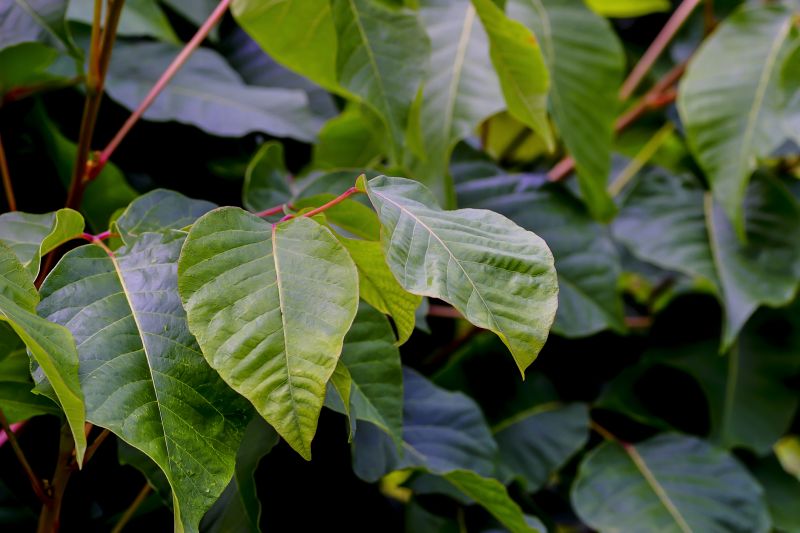
When selecting a service provider for Poison Sumac removal, it’s important to consider their experience with similar projects in the Harford County area. Homeowners should inquire about how long the contractor has been handling plant removal jobs and whether they have specific experience dealing with Poison Sumac. A contractor with a proven track record in managing these types of projects is more likely to understand the best removal techniques and safety precautions, helping to ensure the job is done effectively and safely.
Clear written expectations are essential when working with local contractors. Homeowners should seek detailed descriptions of the services offered, including what the removal process entails, any cleanup procedures, and whether follow-up support is included. Having a transparent understanding of what to expect helps prevent misunderstandings and ensures that the project aligns with the homeowner’s needs. It’s also helpful to request references or reviews from previous clients to verify the contractor’s reliability and professionalism.
Effective communication is a key factor in choosing the right Poison Sumac removal service provider. Homeowners should look for contractors who respond promptly to inquiries, provide thorough explanations, and are willing to answer questions about their methods and experience. Good communication fosters a better working relationship and allows for clearer expectations throughout the project. It’s important to remember that the site introduces homeowners to local options, not that it performs the work itself, so taking the time to evaluate these qualities can lead to a more successful and satisfying outcome.
Property owners in Harford County, MD use Poison Sumac Removal services for practical projects around their homes and businesses. This guide focuses on everyday jobs and straightforward project options.
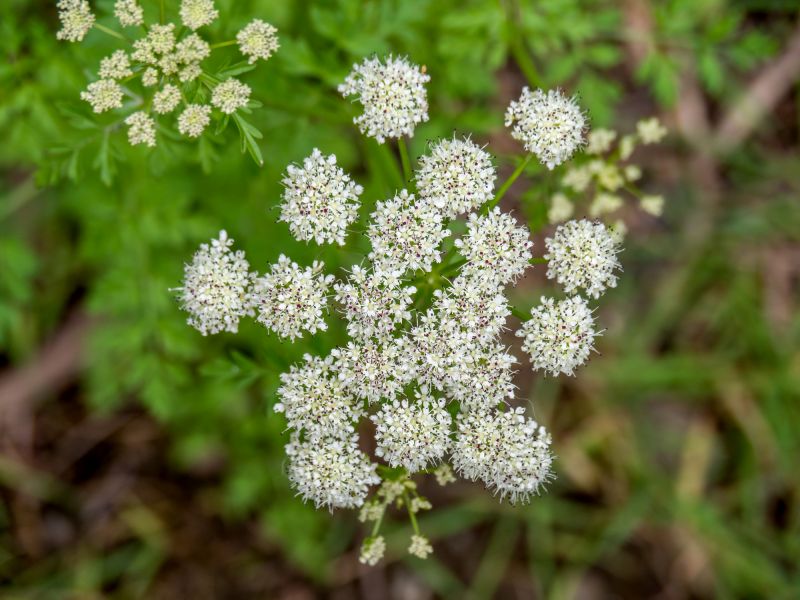
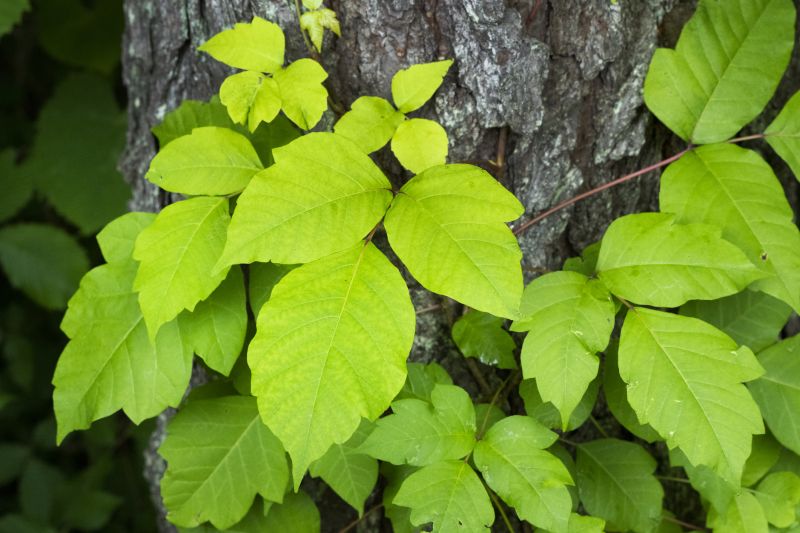
Poison sumac can sometimes grow unnoticed in wooded areas, wetlands, or shaded parts of a property in Harford County, MD. Property owners may seek removal services after noticing skin irritation from accidental contact or when the plant starts to spread into lawns, gardens, or recreational areas. Homeowners clearing brush or maintaining outdoor spaces might also look for local contractors to safely remove these plants to prevent future exposure and protect family and pets.
In addition, property managers and landowners often need poison sumac removal when preparing land for new development or landscaping projects. Overgrown patches of poison sumac can pose health risks and complicate outdoor work, prompting the search for experienced service providers who can handle the job efficiently. These local contractors can help ensure the area is cleared safely, allowing property owners to maintain a safe and healthy outdoor environment.
What are the signs of Poison Sumac growth? Poison Sumac typically appears as tall shrubs or small trees with clusters of white or gray berries and smooth, greenish stems. Leaves are arranged in groups of 7-13, with smooth edges and a glossy surface. Recognizing these features can help identify the plant early. Local contractors can assess and confirm if Poison Sumac is present on a property.
Why is it important to remove Poison Sumac? Poison Sumac contains urushiol, which can cause skin irritation and allergic reactions upon contact. Removing the plant reduces the risk of accidental exposure and helps maintain a safe outdoor environment. Professional removal services can handle the job safely and effectively.
What methods do service providers use to remove Poison Sumac? Local contractors often use manual removal, such as cutting and digging out the plants, combined with proper disposal methods. They may also employ herbicides, if appropriate, to ensure complete eradication. Proper techniques help prevent regrowth and minimize risk.
Are there any precautions to take before Poison Sumac removal? It’s advisable to keep a safe distance from the plant and avoid touching it until a professional has assessed the area. Wearing protective clothing, such as gloves and long sleeves, is recommended if handling the plant is necessary. Consulting with experienced service providers ensures safety during removal.
How can I find local contractors who handle Poison Sumac removal? This website can connect with trusted service providers in Harford County, MD, and nearby areas who specialize in Poison Sumac removal. Contacting local pros allows for a consultation to determine the best approach for property needs.
Poison Sumac Removal for Safety - Removing poison sumac from a property helps prevent accidental contact and allergic reactions for residents and visitors.
Creating Safe Play Areas - Clearing poison sumac around yards makes outdoor spaces safer for children to play and enjoy outdoor activities.
Protecting Landscaping and Gardens - Eliminating poison sumac ensures that garden beds and landscaped areas remain healthy and free from invasive plants.
Preparing for Property Improvements - Removing poison sumac is a key step before landscaping, construction, or other outdoor projects to avoid delays and hazards.
If you are thinking about Poison Sumac Removal for a property in Harford County, MD, this guide is meant to help you understand the work, the typical project types, and how different options might fit your plans.
When you are ready, you can use the quote form on this page to share a few details about your project. From there, local pros can review the basics and respond with options that match what you have in mind.